
Why Is Cold Air Coming Through Windows at Home?
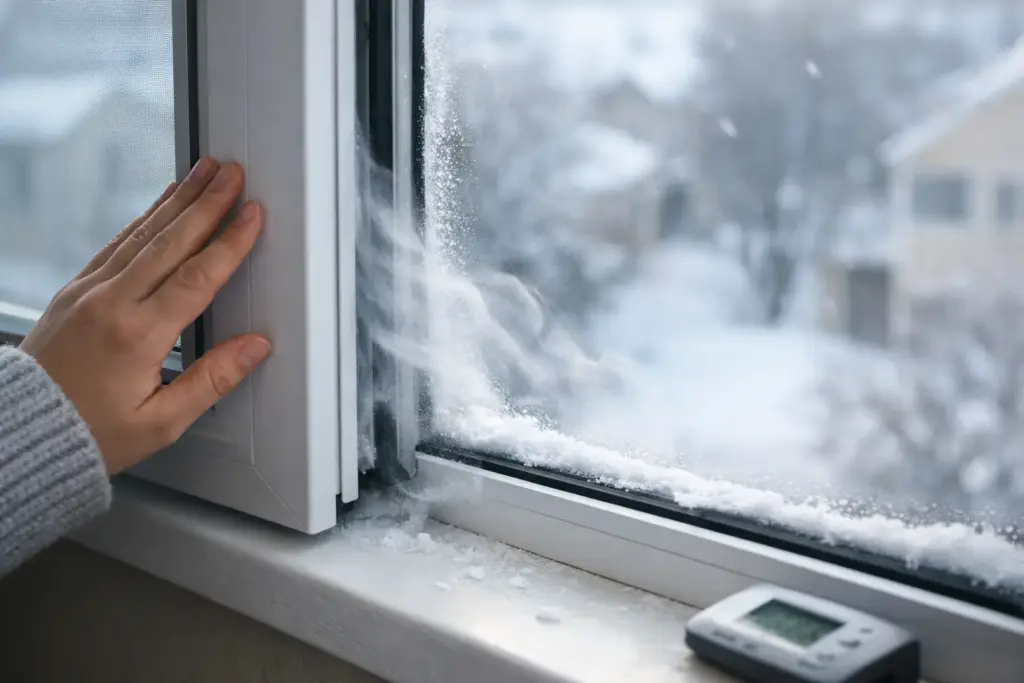
A cold strip of air around a window is more than an annoyance when the heating is on. If you are asking, “why is cold air coming through windows?”, the cause is usually a worn seal, poor window alignment, a faulty handle or a failed glazed unit – not necessarily a window that needs replacing.
A properly fitted UPVC window should close tightly against its seals. When it does not, warm air escapes, cold air enters and rooms can feel chilly even with the thermostat turned up. The good news is that many draught problems can be repaired quickly and at far less cost and disruption than fitting new windows.
Why Is Cold Air Coming Through Windows?
The exact cause depends on where you can feel the draught. Run the back of your hand slowly around the opening sash, the handle side, hinges, corners and frame. A draught around the moving part of the window points to a sealing, hinge or locking issue. Air from the edge of the frame may indicate failed external sealant or a fitting problem. Coldness from the middle of the glass can mean the glazing unit itself has failed.
Worn, flattened or damaged window seals
Rubber gaskets create the weather-tight seal between the sash and frame. Over time, they can shrink, flatten, split or become loose, particularly on older UPVC windows exposed to strong sun, frost and regular use.
When the seal no longer sits firmly against the frame, even a small gap can let in a surprising amount of air. You may see sections of gasket hanging loose, hard or cracked rubber, or a visible gap near the corners when the window is shut. Replacing the correct profile of seal can restore the seal without changing the window.
The window is out of alignment
UPVC opening windows can drop slightly over years of use. The hinges wear, the sash settles and the locking points may no longer pull the window evenly into the frame. This often creates a draught along the top corner, hinge side or handle edge.
A window may still appear to shut normally, but the handle can feel stiff, the sash may catch the frame, or one side may sit closer than the other. Specialist hinge adjustment or replacement normally resolves the issue. It is not always a simple case of turning an adjustment screw, however. Over-adjusting worn hinges can make the window harder to lock or place extra strain on the mechanism.
Faulty handles, locks or locking mechanisms
On many casement windows, the handle operates locking points around the sash. These points do more than provide security – they pull the sash tight against the weather seal. If the handle is loose, difficult to turn or will not fully close, the sash may not be compressing the seals as it should.
A failed espagnolette mechanism, worn keeps or damaged handle can therefore cause both a security concern and a draught. Do not force a stiff handle. It can turn a repairable fault into a broken mechanism or a window that will not lock at all. A window repair specialist can identify whether the problem is the handle, gearbox, keeps or alignment and fit manufacturer-matched parts where needed.
Failed double glazing
If the cold feeling is coming through the centre of the glass rather than around its edges, inspect the glazed unit. Condensation or mist between the panes is a clear sign that the perimeter seal has failed. The insulating gas has escaped and moisture has entered, reducing the unit’s ability to keep heat in.
A failed unit does not always cause a noticeable air draught, but it makes the room feel colder and can create condensation on the inside of the glass. In many cases, the sealed unit can be replaced while keeping the existing UPVC frame. That is usually more economical than replacing the whole window.
Gaps around the frame or external sealant
The gap between the UPVC frame and brickwork is normally protected by external silicone or trim. Sealant can crack, pull away or deteriorate, allowing wind and rain to find a route behind the frame. This is more common on exposed elevations and around older installations.
Look outside for cracked sealant, gaps at frame corners or loose trim. A problem here should be dealt with promptly. Water getting behind a frame can lead to damp patches, damaged plaster and more expensive remedial work later on. Internal filler alone will not solve an external weatherproofing fault.
Simple Checks Before You Book a Repair
Start by closing and locking the window fully. Check whether the handle reaches its proper closed position without excessive force. Then inspect the visible seals for dirt, damage or sections that have come away.
On a windy day, hold a thin piece of tissue near the edges of the closed window. Movement can help identify the point where air is entering. Avoid using a naked flame for this test. It is unnecessary and unsafe near curtains, blinds and household furnishings.
Also look for clues that make diagnosis easier: condensation between panes, a sash that catches, a handle that resists turning, water marks around the reveal, or a draught that is worse in one corner. These details help establish whether the job needs new gaskets, hinge work, lock repairs, glazing replacement or external resealing.
Cleaning the seals with warm water and mild washing-up liquid can remove grime that prevents them sitting properly. Do not use harsh solvents, oil-based sprays or abrasive cleaners, as these can damage rubber gaskets and UPVC surfaces. If a seal has shrunk, split or become distorted, cleaning will not bring it back to shape.
Repairs That Usually Stop Window Draughts
The right repair should fix the underlying fault, not just cover the symptoms. Temporary draught strips can help in an emergency, but they may interfere with closing, trap moisture or hide a problem with hinges and locking points. They are best treated as a short-term measure, particularly during a cold spell.
A professional repair may involve replacing worn seals, adjusting the sash, fitting new friction hinges, repairing or replacing the locking mechanism, renewing external sealant, or changing a misted double-glazed unit. The work required depends on the window’s condition and the source of the air leak.
For example, a window that is draughty at the top hinge corner may need new hinges rather than a new gasket. A window that feels cold across the whole pane and has misting inside the glass needs a replacement sealed unit. A handle that will not pull the sash tight may require a lock mechanism repair. Accurate diagnosis avoids paying for work that does not solve the problem.
Repair UPVC works on common UPVC window faults across West Yorkshire, including draughty seals, dropped sashes, worn hinges, faulty handles, failed mechanisms and misted glazing. A repair-first approach means replacing only the failed components where possible, with clear fixed-price quotes and guaranteed workmanship.
When Is Window Replacement the Better Option?
Most draughty UPVC windows can be repaired, but there are occasions when replacement makes sense. A badly warped or cracked frame, extensive structural damage, severe installation defects or several components failing across very old windows can make a new window the more sensible long-term choice.
Even then, it is worth having the fault assessed first. A failed sealed unit, worn hinge or tired gasket can make an otherwise sound window perform poorly. Replacing a whole window for a repairable fault adds avoidable cost and disruption.
Frequently Asked Questions
Can cold air come through double-glazed windows?
Yes. Double glazing reduces heat loss, but it cannot compensate for damaged seals, failed hinges, poor locking compression or gaps around the frame. If the glass is misted internally, the double-glazed unit has also lost much of its insulation value.
Why is one window colder than the others?
It may be more exposed to prevailing wind, or it may have a local fault such as a dropped sash, worn gasket or failed glazing unit. A draught in one corner usually points to an alignment or hinge issue rather than a whole-house heating problem.
Will replacing window seals stop draughts?
It can, provided the seals are the cause. If the sash is misaligned or the locking points are not pulling it tight, new seals alone may not solve the issue. The window should be checked for both seal condition and closing pressure.
Is a draughty window a security risk?
Sometimes. If the handle does not lock correctly or the mechanism is failing, the window may not be secure as well as being draughty. Treat a window that will not lock, has a loose handle or can be pushed open when locked as a priority repair.
Do not put up with a cold room or keep turning up the heating to compensate. A targeted window repair can restore a tight seal, improve comfort and help protect the property before a small draught becomes a larger problem.