
Can a Blown uPVC Window Be Repaired?
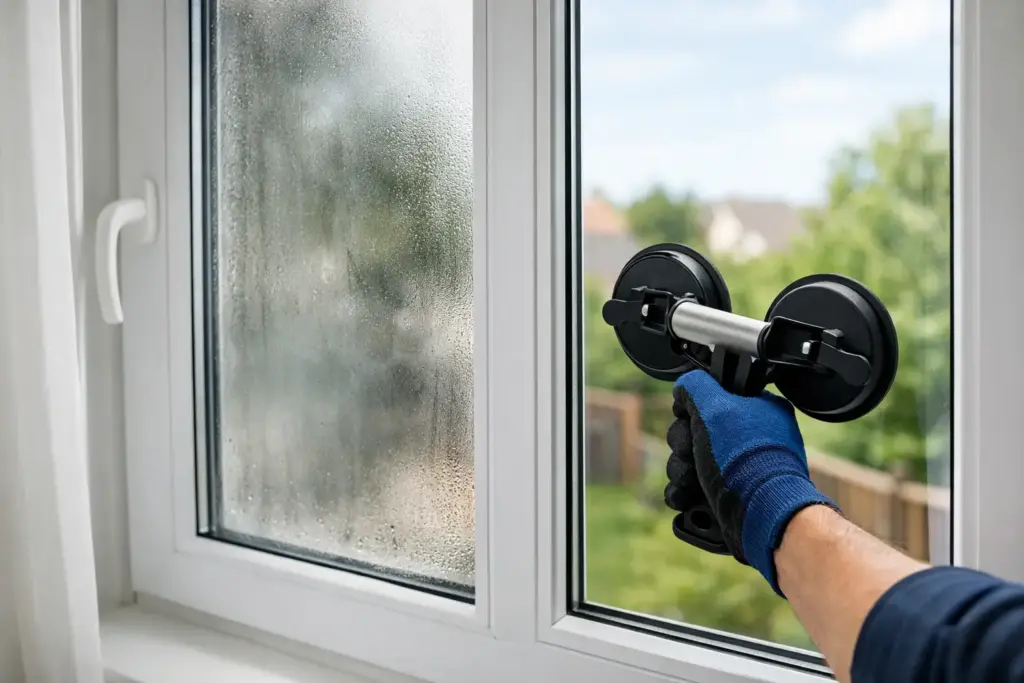
If your window has gone cloudy between the panes, you are probably asking the right question: can a blown uPVC window be repaired, or does the whole thing need replacing? In most cases, the answer is straightforward. Yes, a blown window can usually be repaired without replacing the full uPVC frame.
That matters because the frame is often still perfectly sound. The problem is normally the sealed glass unit inside it, not the entire window. Replacing just the failed double glazed unit is usually quicker, far less disruptive and much more cost-effective than fitting a brand new window.
What a blown uPVC window actually means
A blown window is a double glazed unit where the seal around the glass has failed. Once that perimeter seal breaks down, moisture gets into the gap between the panes. Over time, that causes misting, condensation inside the unit, and the cloudy appearance most people notice first.
It is a common issue on older windows, but it can happen sooner if the unit has been poorly fitted, exposed to heavy weathering, or put under strain by a dropped sash or faulty hinges. The key point is this: the uPVC frame itself has not necessarily failed.
That is why a repair-first approach makes sense. If the frame, beads and opening parts are still serviceable, changing the glass unit is often all that is needed.
Can a blown uPVC window be repaired without replacing the frame?
Yes – in most cases, it can. When people ask whether a blown uPVC window can be repaired, they often assume the whole window has reached the end of its life. Usually, that is not the case.
A specialist can remove the failed sealed unit, measure for a new one, and fit replacement glass into the existing frame. That restores the appearance of the window and improves thermal performance again, without the cost and mess of a full replacement.
This is especially worthwhile if your windows still open and close properly, the locks work as they should, and the frame is not cracked, warped or badly damaged. If everything around the glass is in decent condition, replacing the glazing unit is normally the sensible option.
Signs the glass unit has failed
The clearest sign is condensation trapped between the panes. This is different from normal room condensation that forms on the inside of the glass and wipes away. If the misting is inside the sealed unit, you cannot clean it off from either side.
You may also notice the glass looks milky, dirty or streaked no matter how often you clean it. In some cases, the unit starts to lose insulation performance before the misting becomes severe, so rooms can feel colder and heating bills creep up.
If the problem is limited to visibility and insulation, the repair is often simple. If there are other issues at the same time, such as the window dropping, draughts around the sash or failed handles, those may need dealing with alongside the glazing.
When repair is the best option
Repair is usually the best route when the sealed unit has failed but the surrounding window is still in good working order. That includes situations where the frame is structurally sound, the sash is aligned, and the locking system is intact.
For homeowners and landlords, this is often the sweet spot. You sort the actual fault, avoid replacing usable materials, and keep the cost under control. It is also less disruptive for tenanted properties, schools and businesses where a full window change can create more hassle than necessary.
In many cases, replacing the glass unit also gives you the chance to match the existing appearance. That means keeping the same style of frame while removing the cloudy, tired-looking pane that makes the whole window look older than it really is.
When a full replacement may be needed
There are some cases where replacing only the glass is not enough. If the uPVC frame is badly warped, split, insecure, or has multiple failures across hinges, locks and structure, then a full window replacement may make more sense.
The same applies if the beads are damaged beyond reuse, the sash has distorted so badly that a new unit will not sit correctly, or previous poor workmanship has left the whole assembly compromised. In those situations, replacing the sealed unit alone can be a short-term fix rather than a proper repair.
This is where honest diagnosis matters. A reliable specialist should tell you when repair is worthwhile and when it is not. There is no benefit in fitting new glass into a frame that is already failing in several other ways.
The difference between blown glass and other window faults
Not every misty or draughty window is blown. Sometimes the issue is failed gaskets, worn hinges, poor compression or blocked drainage. Those faults can make a window feel inefficient without the sealed unit itself being damaged.
Equally, a blown unit can exist alongside mechanical faults. A window that has dropped on its hinges may put pressure on the sealed unit over time. A stiff handle or failed espag mechanism might not cause the blown unit, but it can still affect whether the window works properly once the glass is replaced.
That is why a proper inspection matters. It prevents you paying for the wrong job and helps make sure the repair actually solves the problem.
What happens during the repair
The process is usually simpler than people expect. First, the failed glass unit is identified and measured accurately. The existing beads are removed carefully, the old double glazed unit is taken out, and a new one is fitted into the same frame once ready.
Good fitting is important. The unit needs to be packed correctly, seated properly and sealed as it should be. If the window has dropped or the hinges are worn, those issues may need adjusting or replacing at the same time to stop the new unit being placed under strain.
For most properties, replacing a blown glass unit is a tidy job with minimal disruption. You keep the original frame, avoid unnecessary building work and get the window back to clear, usable condition.
Is it worth repairing a blown window?
Usually, yes. If the frame is still sound, replacing the sealed unit is almost always better value than replacing the entire window. It is a practical way to restore energy efficiency, improve appearance and deal with the problem before it gets worse.
There is also the question of security and comfort. While a blown unit does not always mean the window is unsafe, it can be a sign that the window is ageing and may need attention in other areas too. If you are already noticing draughts, stiff operation or loose hardware, it makes sense to deal with it sooner rather than later.
For landlords, it is often the most sensible maintenance decision. Tenants notice condensation and cloudy glass quickly, and a targeted repair keeps the property looking cared for without the expense of unnecessary replacement work.
Cost depends on the unit, not just the window
There is no single fixed cost for every blown window because the price depends on the size of the unit, the specification of the glass, and whether any related repairs are needed. Toughened glass, obscure bathroom glass, Georgian bar designs and unusual sizes can all affect the price.
What matters more is the principle. Replacing just the failed unit is generally far cheaper than replacing the full uPVC window. That is why specialist repair services are often the right first call.
A clear, fixed-price quote after inspection is the best way to know where you stand. It keeps things simple and avoids paying for more work than the window actually needs.
Why a specialist inspection makes the difference
Blown windows are common, but the right repair still depends on accurate diagnosis. A general tradesperson may jump straight to replacement. A proper uPVC repair specialist will usually look first at whether the existing frame can be saved.
That repair-first approach is often what saves money. It also means the job is based on the actual failure – glass, hinges, handles, gaskets or a combination – rather than a blanket recommendation to replace everything.
At Repair UPVC, that is exactly how these jobs are approached across West Yorkshire. The aim is to restore what can be repaired, keep disruption down and give customers a clear answer quickly.
So, can a blown uPVC window be repaired?
In most cases, yes. If the issue is a failed sealed glass unit and the frame is still in good condition, replacing the glass is a reliable and cost-effective repair. You do not usually need a whole new window just because the pane has blown.
The best next step is to get the window checked properly. A fast diagnosis can tell you whether it is a straightforward glass replacement or whether there are other faults worth sorting at the same time. Either way, acting early is usually cheaper than leaving it to get worse.
A cloudy pane might look like a full replacement job, but very often it is simply a repair waiting to be done properly.