
How to Replace uPVC Window Safely
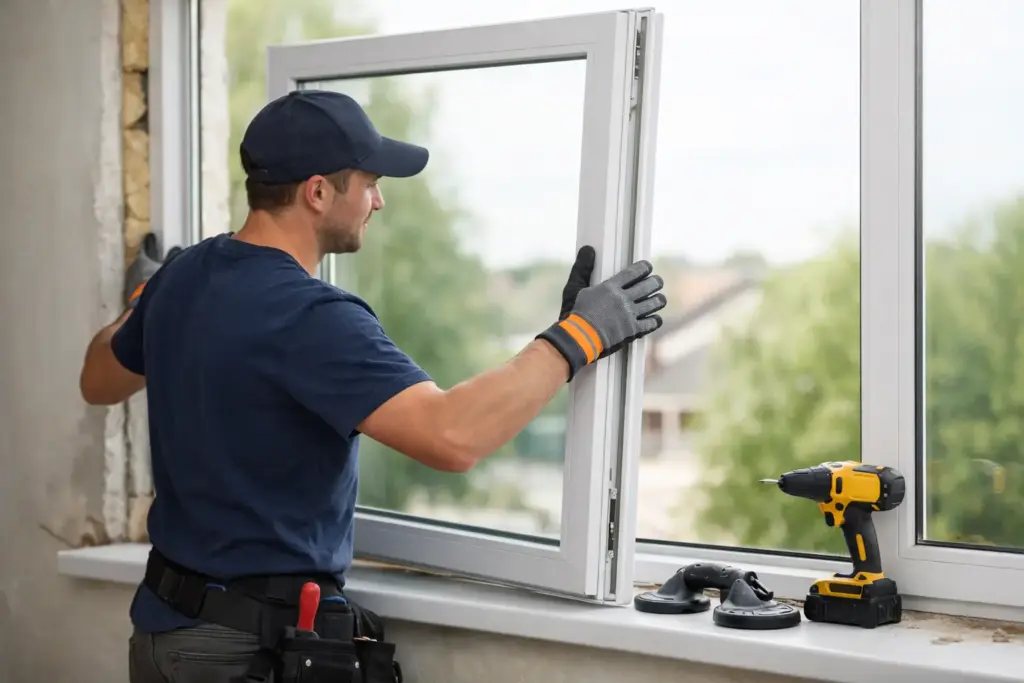
A cracked frame, failed hinges or blown glass can leave you searching for how to replace uPVC window fast. Fair enough – if the window is insecure, badly warped or beyond repair, replacement may be the right call. But with uPVC windows, the fault is often smaller than it looks. Hinges, handles, locks, sealed units and draught seals can usually be changed without removing the full frame, which saves money, mess and time.
That is the first thing worth checking before you start. A window that will not shut properly is not always a replacement job. A misted pane usually means the glazed unit has failed, not the whole window. A sash that has dropped may only need new hinges and adjustment. If the frame itself is still square and sound, a repair-first approach is often the better option.
Before you replace a uPVC window
Full replacement makes sense when the outer frame is cracked, twisted, badly fitted, rotten internally around fixings, or has suffered enough damage that new parts will not restore security or smooth operation. It can also be necessary where older units were installed poorly and are letting in water around the frame.
If you are unsure, inspect the problem in daylight. Open and close the sash, check whether the frame is bowing, and look for movement at the corners. If the issue is only misted glass, failed handles, worn locks or draughts from flattened seals, replacing individual parts is usually more practical.
This matters because replacing a full uPVC window is more involved than swapping a glazed unit. It affects internal trims, external sealant lines, packers, fixings and alignment. Done badly, it creates leaks, draughts and security problems that cost more to put right later.
How to replace uPVC window frames step by step
If the whole frame genuinely needs changing, the job needs measuring, safe removal and accurate refitting. There is not much room for guesswork.
Measure properly before ordering
Measure the existing frame in at least three places across the width and height. Use the smallest measurement, not the largest. You also need to allow a fitting tolerance so the new frame can be packed level and sealed correctly. Ordering a window too large is an expensive mistake. Ordering one too small can leave awkward gaps and weak fixing points.
Check the opening style, hinge side, ventilation requirements and whether the cill is included. If you are matching existing windows on the property, profile style and finish matter as well. Even where the opening size looks standard, many older uPVC windows are not.
Remove the opening sash and glazed unit first
Before taking out the outer frame, remove the opening parts. That reduces weight and makes the frame safer to handle. Depending on the style, this may mean disengaging friction hinges or beading out the glass. Internal beads should be removed carefully with the right tools to avoid cracking them.
Glass is one area where DIY jobs often go wrong. Double glazed units are heavy, edges are sharp, and packers must go back in the correct places during refitting. If the unit is large or upstairs, safe handling matters more than speed.
Cut back fixings and free the old frame
Once the sash and glass are out, remove trims and cut through any sealant around the perimeter. Frame fixings may be concealed behind caps or buried into the surrounding reveal. In some cases, installers also use expanding foam, which can make removal awkward.
The frame usually has to be cut in sections to release it without damaging the brickwork or plaster. That is where experience helps. Too much force and you can crack reveals, damage cavity closers or create extra making-good inside and out.
Clean and prepare the opening
With the old frame out, clear away debris, old packers, loose sealant and any failed foam. Check the opening for level, damage and damp. If the reveal is crumbling or uneven, fitting the new frame without putting that right first can leave it twisted.
This stage is often rushed, but it affects the final result. A clean, stable opening makes it easier to square the frame and get an even seal all round.
Fit, pack and secure the new frame
Offer the new frame into the opening and use packers to level and square it before fixing. Check diagonals, sight lines and operation as you go. If the frame is not packed correctly, the sash may catch, lock badly or leave uneven gaps.
Fixings need to be secure but not overtightened. Pulling a uPVC frame out of shape with fixings is a common error. Once fixed, recheck that everything remains square before glazing or rehanging the sash.
Refit glazing, hardware and sealants
When the frame is secure, fit the glazed unit with the correct packers and refit the beads. Rehang the opening sash if it was removed separately, then test the handle, hinges and locking points. The window should close cleanly and lock without forcing.
Finish with suitable internal and external sealing. The aim is a watertight perimeter without gaps, voids or messy over-application. Tidy sealing makes a difference not only to appearance but also to weather resistance.
The part most people underestimate
When people look up how to replace uPVC window units, they often focus on getting the old one out and the new one in. The harder part is alignment. A window can look fine at first glance and still be slightly out, which shows up later as draughts, stiff locking, dropped sashes or water ingress.
That is why replacement is not always the cheapest answer, even when something has gone wrong. If the original frame can be kept and the failed parts replaced, you avoid disturbing the reveal, trims and outer seal. In many properties, that is the cleaner and more cost-effective fix.
When repair is better than full replacement
A lot of faults that prompt replacement enquiries are actually repair jobs. Failed double glazing can be resolved by changing the sealed unit. Worn hinges can stop a sash catching on the frame. Broken handles and multipoint locks can often be matched and replaced. Perished seals can cut draughts without changing the whole window.
For landlords, schools and commercial properties, this matters because replacement across multiple openings quickly becomes expensive. For homeowners, it usually comes down to avoiding unnecessary disruption. If the frame is serviceable, replacing components is often the sensible route.
Repair uPVC deals with this sort of issue every day across West Yorkshire – where a customer expects the worst, but the actual fix is smaller, faster and cheaper.
Common mistakes with DIY window replacement
The biggest mistakes are poor measuring, incorrect packing, damaged beads, overtightened fixings and weak sealing. Another common one is assuming all uPVC profiles take the same hardware or glazing thickness. They do not. Even similar-looking windows can use different hinge types, backsets and bead shapes.
There is also the issue of safety. Large glazed units are awkward to move and easy to drop. Upper-floor work adds another layer of risk. If the opening is near a conservatory roof, porch or hard-to-access elevation, what looked straightforward from indoors may not be straightforward at all.
Then there is compliance and finish. A replacement that leaves gaps, cracked plaster or an insecure lock is not a saving. It is a callout waiting to happen.
Should you replace the whole window yourself?
It depends on the condition of the frame, the size of the window and your experience with measuring and fitting. A small ground-floor fixed light in an easy opening is one thing. A side-hung opener upstairs with heavy glazing and tight tolerances is another.
If you know the frame has failed beyond repair and you are confident with removal, levelling and glazing, you may be able to manage it. But if there is any doubt about whether the problem is actually the frame, it is worth getting it diagnosed properly first. Many customers spend time pricing a full new window when the real fault is a hinge, lock or sealed unit.
That is usually the smartest place to start. Before ordering a full replacement, find out what has actually failed. If the frame is sound, a targeted repair gets the window secure, weather-tight and working properly again – without paying for more work than you need.